
To improve energy efficiency, air-to-water heat pumps can be operated so that they perform more of their work during the more favourable outdoor temperature periods of the day.
DSVT uses two methods for this purpose. The first method adjusts the target temperature of the DHW (Domestic Hot Water) tank and the buffer tank according to the actual outdoor temperature.
By changing the target temperature of the storage tanks according to outdoor conditions, the system can make better use of periods when the heat pump can operate more efficiently. This can reduce the amount of energy required to produce and store heat.
This method allows the system to react dynamically to changing outdoor conditions and adjust temperature targets accordingly.
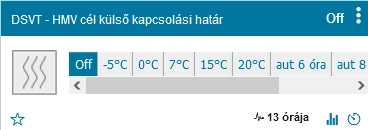
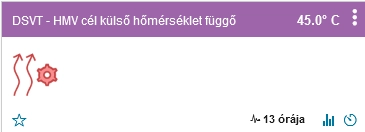
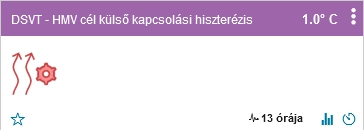
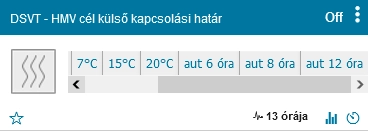
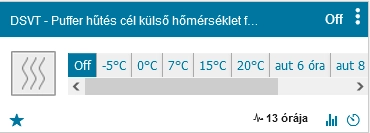
When the configured outdoor temperature threshold is exceeded, the system can use the alternative target temperature and hysteresis values configured under the “Mixed” menu.
This makes it possible to modify DHW storage behaviour during more favourable outdoor conditions.
If the outdoor temperature exceeds the configured threshold, the system switches to the alternative target-temperature mode. This allows a different DHW target temperature to be used during favourable operating conditions.
The switching hysteresis prevents the system from repeatedly changing between the normal and alternative settings when the outdoor temperature fluctuates around the configured threshold.
For example, during warmer outdoor conditions, the DHW target temperature can be increased so that more thermal energy is stored while the heat pump is operating under more favourable conditions.
This allows the system to make better use of favourable temperature periods instead of producing the same amount of hot water regardless of outdoor conditions.
The second method uses dynamic time periods. Based on the weather forecast, the system identifies the warmer and cooler periods of the day and temporarily changes the target temperature during a configurable period around the most favourable hours.
Buffer tank control follows a similar principle to DHW control, with some differences when operating in cooling mode. The objective remains the same: to use the more favourable outdoor conditions to improve system efficiency while maintaining comfort.
In cooling mode, the buffer tank target temperature can be modified according to outdoor conditions or the selected dynamic period.
- When the configured conditions allow cooling to be performed during a favourable period, the system reduces the buffer tank temperature to the configured target value.
- This allows colder water to be stored in the buffer tank and used later for cooling.
This control method shifts part of the heating or cooling demand to periods with more favourable outdoor conditions. Depending on the characteristics of the heat pump and the building, this can improve overall operating efficiency.