ASC (Automatic Shutter Controller) provides wind speed-based protection in addition to automatic temperature- and light-based shading control. In strong winds, the system can automatically move shutters and blinds to a protective position according to a configurable wind speed threshold.
Wind protection helps protect shading structures and glass surfaces from potential wind damage. It is particularly important for large outdoor shading systems that may be exposed to substantial mechanical stress during strong winds and gusts.
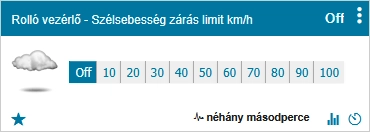
ASC provides a dedicated Domoticz selector switch for configuring the wind protection threshold. The wind speed can be set in 10 km/h increments, or wind protection can be disabled.
When the wind speed exceeds the configured threshold, the controller initiates a 0% shutter position command. Wind protection takes priority over normal automatic control.
While wind protection is active, the system prevents normal automatic control from issuing commands that conflict with the protective position. Once wind speed drops below the threshold, normal operation can resume.
Important: The physical meaning of the 0% position depends on the shutter motor and its Domoticz configuration. During installation, verify that this position represents a suitable protective state for the particular shading mechanism.
ASC supports two methods of obtaining wind speed information:
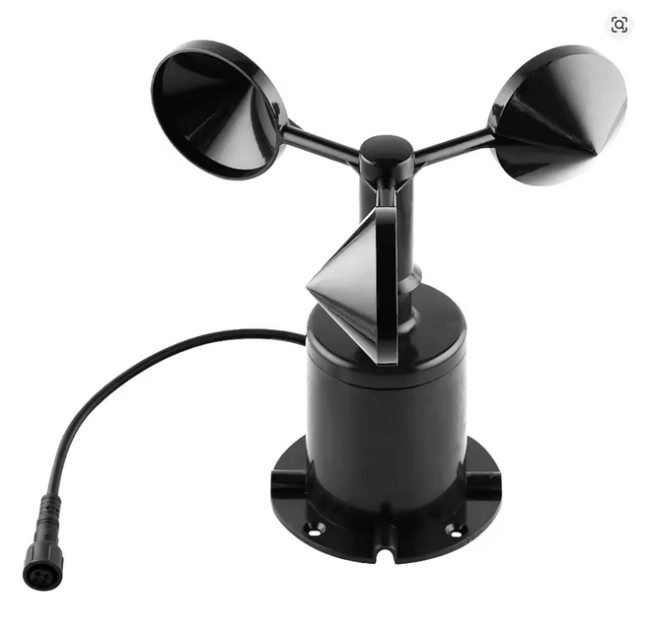
A local sensor measures wind conditions directly at the building. This is particularly useful in locations where surrounding buildings, terrain, or other obstacles cause local wind speeds to differ significantly from regional weather conditions.
Open-Meteo provides weather forecasts without requiring additional hardware. However, hourly forecast data cannot reliably detect sudden, short-duration wind gusts.
Wind speed protection based on weather forecasts should therefore be considered a supplementary automation feature. For sensitive outdoor shading systems, the safety measures specified by the manufacturer remain essential.
ASC creates a separate Wind alert device in Domoticz. This device can also be displayed on the Domoticz dashboard, allowing users to monitor the current wind protection status.
This is particularly useful when the actual shutter position differs from the position selected by the 36-state automatic control matrix.
Appropriate threshold settings are especially important when a single ASC controller manages multiple shutters.
Local wind speed measurement can be implemented using a suitable sensor and a Wi-Fi-enabled microcontroller. For example, an analog-output anemometer can be connected to a Wemos D1 mini (ESP8266) with appropriate signal conditioning.
Suitable sensors can be found using search terms such as 0–5V waterproof wind speed sensor or analog output three cup anemometer.
Important electrical safety note: The Wemos D1 mini A0 analog input cannot accept a 0–5 V signal directly. According to the LOLIN D1 mini documentation, the maximum input voltage at A0 is 3.2 V. A suitable voltage divider or signal conditioning circuit must be used to reduce the sensor output to the permitted range. Always verify the specifications of the particular board revision.
The relationship between output voltage and wind speed varies between sensor models. Measurements must therefore be converted and calibrated according to the specifications of the selected anemometer.
With Tasmota Scripting support, the Wemos D1 mini can periodically read analog values, calculate an average, and transmit the result to Domoticz using MQTT.
The following example demonstrates the original measurement approach. It takes one sample every 30 seconds, calculates an average from 10 measurements, and sends the result to Domoticz.
The 0.977 multiplier in the example is a conversion factor used for the original sensor setup. If a different sensor or input circuit is used, this value must be replaced with the appropriate calibration factor.
Example script for the Tasmota Scripting editor:
>D count=0 interval=30 suminterval=10 seconds=0 analog=0 sum=0 average=0 speed=0 svalue="" >S seconds+=1 if seconds>=interval then analog=adc(2)-10 count+=1 sum+=analog print analog value: %analog%, sum: %sum%, count: %count% seconds=0 endif if count>=suminterval then average=sum/count speed=(average*0.977*count)/count sum=0 count=0 print Average: %average%, speed: %speed% svalue="0;N;"+s(speed)+";0;0;0" =>publish domoticz/in {"idx":1826,"nvalue":0,"svalue":"%svalue%"} endif The idx: 1826 value in the script is an example Domoticz device ID and must be replaced with the IDX of your own wind speed sensor.
MQTT communication requires a functioning MQTT broker, a correctly configured Tasmota connection, and MQTT integration enabled in Domoticz.
The adc(2) reading method and Tasmota Scripting commands require the appropriate support in the installed Tasmota firmware.
This script is an example developed for a specific measurement setup. Before using it in a live installation, verify the accuracy of the readings, wind speed units, analog input voltage range, and communication reliability.
For basic shutter control applications, Open-Meteo forecasts can provide useful supplementary information about expected wind conditions. This avoids the need to install and maintain a separate wind speed sensor.
However, for shading systems that are particularly sensitive to sudden wind gusts, local measurements and suitable manufacturer-approved safety mechanisms are recommended.
ASC combines wind speed-based protection with automatic light- and temperature-based shutter control in a single system, while allowing the protective state to be monitored separately through the Domoticz interface.